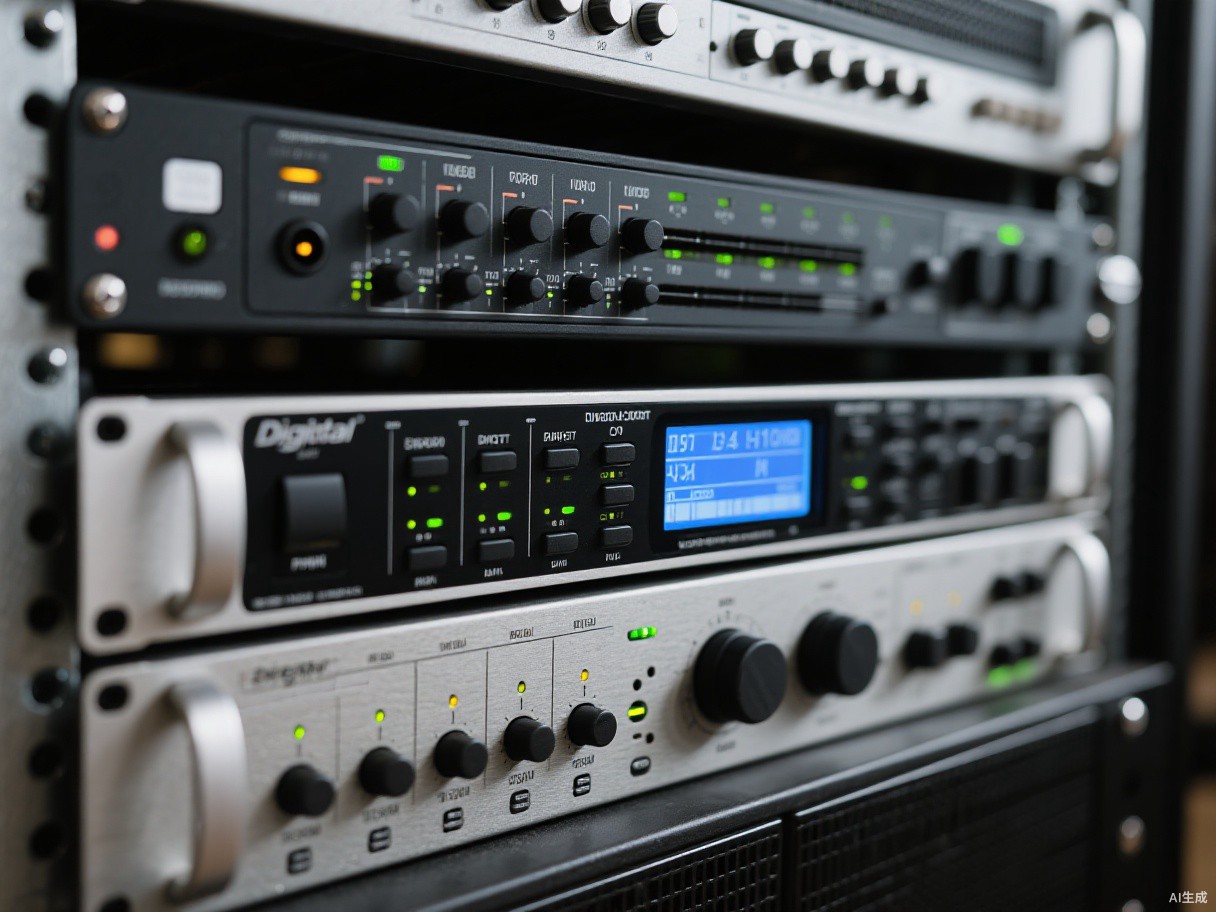
Loudspeaker Processors Explained: Why Presets Matter More Than Specs
A processor without the right presets is just a rack of inputs and outputs. Here is how to buy one that actually protects your speakers.
The preset is the product
Loudspeaker processors are sold on channels, sample rate and latency, but the real value is the preset library. A processor loaded with the correct factory presets for your cabinets will limit excursion, set crossover points and protect drivers. Without them, you are guessing. Ask the seller which cabinets the stored presets cover and request an export of the current configuration.
Check inputs, outputs and latency
Map the processor against your system: how many inputs, how many outputs, and whether you need Dante or analogue only. Check the latency at your chosen sample rate, especially if the processor sits in a monitor path. Confirm the output connectors match your amplifier inputs without adapters.
Back up before you ship
Ask for a backup file and a screenshot of every preset page. If the unit has a card slot, confirm the card is included. A processor with a documented backup is far easier to integrate than one that arrives with someone else's settings.
Test the display and encoders
Front-panel encoders and displays fail with age. Test every encoder, confirm the screen has no dead pixels and check that the unit holds settings after a power cycle.
Units mentioned in this guide