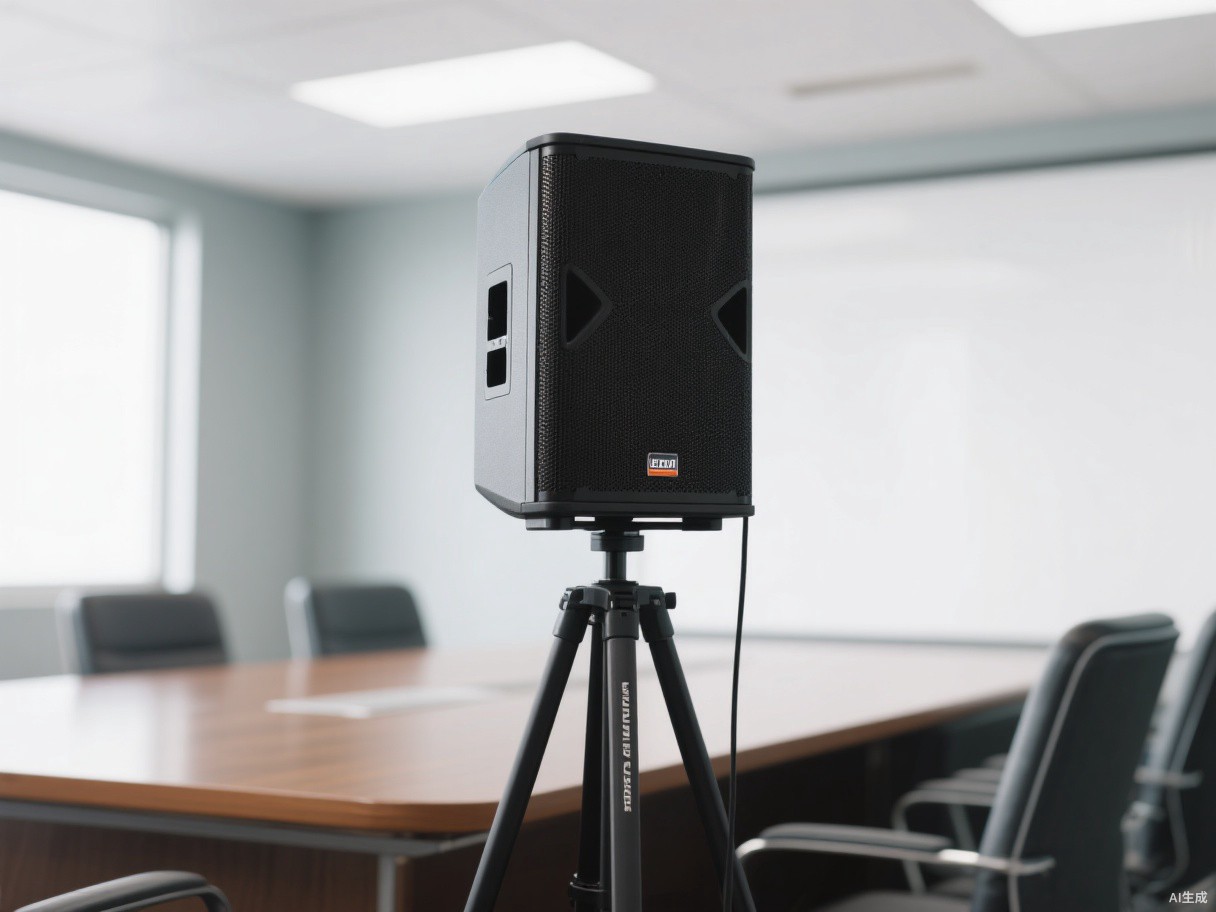
Used PA Speaker Grading: Cosmetic Wear vs Real Faults
What Grade A, B and C should mean for a used full-range speaker — and the faults a grade will never cover.
A grade describes the cabinet, not the sound
Condition grades are a shortcut for cosmetic wear: scuffs, dents, grille damage and missing feet. They are not a functional warranty. A Grade A speaker can still have a rubbing voice coil if it was stored badly. Always ask for a functional test in addition to the grade.
Inspect the grille and cone
A dented grille can hide a torn cone or a pushed-in dust cap. Ask for a photo with the grille removed. On powered speakers, check the amplifier module for impact damage and confirm the fan runs quietly. On passive cabinets, test the speakon connectors and the crossover if accessible.
Listen at low level first
A sine sweep at low volume reveals rattles, air leaks and rubbing that a music track can mask. Ask for a short video of the sweep, then a second test at higher level to check for distortion. A speaker that distorts at half power needs a driver, not a discount.
Match the pair
If you are buying a pair, confirm both cabinets use the same driver revision and amplifier module. Mixed revisions can sound different and complicate spares. Ask for serial numbers and keep them on the invoice.
Units mentioned in this guide